


Watch any group of kids long enough and you’ll notice it—some seem to shoot up overnight while others barely budge for months. Growth has never been a straight line, and if you’ve been trying to make sense of your child’s pattern against a CDC percentile chart, you already know how uneven it can feel.
Here’s the part that trips up a lot of parents, though. Typing “height increasing vitamins” into a search bar leads you down a path that implies one supplement fixes everything. That’s not really how it works. Your child’s genetics set a ceiling—but nutrition is what determines how close they actually get to it. Sometimes, it also shapes how quickly they get there.
What tends to happen in everyday life isn’t dramatic. Growth doesn’t stall because of some rare condition. It slows because of small, recurring gaps—low vitamin D one month, inconsistent protein the next, disrupted sleep layered on top of both. Those gaps accumulate quietly before you notice anything.
So instead of searching for a shortcut, let’s actually look at what builds height in the first place.
Vitamin D: The Foundation of Bone Growth
Vitamin D improves how much calcium your child’s body actually absorbs and supports bone density over time—both of which show up in measurable growth.
The problem is it disappears without obvious signs. Kids spend more hours indoors than any generation before them, and sunscreen—while necessary—blocks the UVB exposure that triggers vitamin D production. Levels drop slowly, and the first thing you notice might just be slower growth or slightly weaker bones, not anything that screams “deficiency.”
Worth knowing in practice:
- Low vitamin D reduces calcium absorption by roughly 30–40%
- Severe, prolonged deficiency can result in rickets—where bones soften and weaken
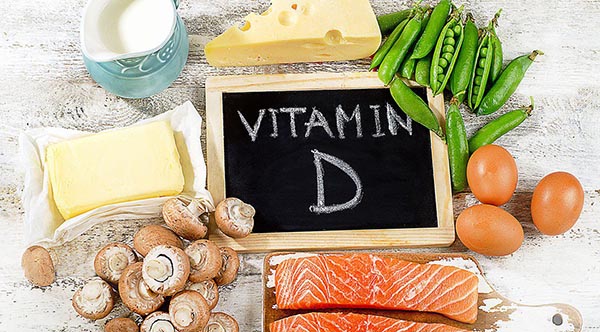
Common U.S. food sources:
- Fortified milk (usually the most accessible option)
- Fortified orange juice
- Eggs
- Salmon
If you’re supplementing:
- Nature Made Kids First Vitamin D
- SmartyPants Kids Formula
One thing that gets overlooked more often than the supplement itself: consistency. A vitamin D supplement taken two or three times a week instead of daily creates a gap that compounds over months, not days.
Calcium: Building Strong, Tall Bones
Calcium forms the actual structural foundation of bones and plays a direct role in how growth plates develop during childhood and adolescence.
Children between 9 and 18 need around 1,300 mg daily—and falling short doesn’t announce itself. Instead, bone mineralization quietly lags, sometimes for years. You won’t necessarily see it until you’re comparing growth charts.
This becomes especially relevant if your child avoids dairy, whether because of lactose intolerance or just preference. Both situations reduce calcium intake significantly unless you’re actively replacing it.
Reliable U.S. sources:
Here’s something worth understanding: calcium can’t really do its job without vitamin D alongside it. Think of calcium as the bricks and vitamin D as whoever’s actually laying them. Without that coordination, you’re just stockpiling material that doesn’t get used.

Protein: The Growth Macro Most Parents Overlook
Protein fuels growth hormone production and gives your child’s body what it needs to expand tissue during growth phases—muscle and bone both depend on it.
Most parents assume their kids are getting enough. Statistically, many U.S. children do meet minimum requirements. But minimum and optimal aren’t the same thing, particularly during active growth spurts when demand runs higher.
Why it matters more than people expect:
- Growth hormone depends on amino acids to function properly
- Both muscle and bone tissue require protein to develop
- Inconsistent intake disrupts the development cycle
Realistic, everyday sources:
- Peanut butter sandwiches
- Lean chicken
- Greek yogurt
- Eggs
- Beans
Picky eating makes this harder than the food lists suggest. A child who lives mostly on crackers and carbs might hit a caloric goal but still lack the specific amino acids that actually drive growth.
Zinc: The Hidden Growth Mineral
Zinc supports cellular growth and keeps appetite regulated—two things that feed directly into how a child progresses physically over time.
This one tends to go unnoticed. A zinc deficiency doesn’t look obvious at first. It might show up as reduced appetite, slightly slower wound healing, or subtle delays in growth that don’t have a clear explanation.
Common U.S. sources:
- Beef
- Pumpkin seeds
- Fortified cereals
- Beans
One supplement worth considering:
- Garden of Life Kids Multivitamin
In practice, zinc becomes most important during growth spurts—which is also when appetite sometimes dips. Less appetite means less zinc intake, which slows growth further. It’s a loop that’s easy to miss until you’re already in it.
Iron: Supporting Oxygen and Energy for Growth
Iron carries oxygen through the blood via hemoglobin, and that directly affects your child’s energy levels and how efficiently their body grows day to day.
Kids with low iron tend to feel tired more often. Less energy leads to less movement, and over time, reduced physical activity has an indirect but real effect on growth.
The NIH has noted that iron deficiency is among the most common nutrient shortfalls in U.S. children—teenage girls especially.
Food sources to focus on:
- Lean beef
- Fortified cereals
- Spinach
- Turkey
What usually happens is subtle: your child becomes a bit more sluggish, naps more, eats a little less—and growth slows without any single obvious cause pointing back to iron.
Vitamin A: Supporting Bone Remodeling
Vitamin A governs bone remodeling, the process that lets bones grow, reshape, and strengthen throughout childhood development.
Too little slows growth. But here’s where it gets more nuanced than most nutrient discussions—too much vitamin A actually weakens bones. That balance matters more than people generally realize.
Common food sources:
- Carrots
- Sweet potatoes
- Fortified milk
- Spinach
This is one of the few nutrients where more genuinely isn’t better. If your child already eats fortified foods regularly, adding a high-dose supplement can easily push intake past safe levels without you realizing it.

Magnesium: Strengthening the Skeletal System
Magnesium supports bone density and muscle function, and it works closely alongside calcium and vitamin D to keep the whole system running together.
You won’t hear much about magnesium in conversations about height—but it’s doing quiet, consistent work. When it’s low, the effects often show up as muscle cramps or poor sleep quality, both of which indirectly slow growth over time.
Accessible sources worth including regularly:
- Almonds
- Whole grains
- Black beans
- Dark chocolate (in moderation—yes, really)
Comparison Table: Key Nutrients for Height Growth
Laying these out side by side makes the differences—and the overlaps—easier to see.
| Nutrient | Primary Role in Growth | Daily Focus Area | Common Gap in Kids | Best Food Examples |
|---|---|---|---|---|
| Vitamin D | Calcium absorption, bone density | Sunlight + fortified foods | Indoor lifestyle | Milk, salmon, fortified juice |
| Calcium | Bone structure, growth plates | Consistent daily intake | Low dairy consumption | Yogurt, cheese, almond milk |
| Protein | Growth hormone, tissue development | Balanced meals | Picky eating | Eggs, chicken, beans |
| Zinc | Cell growth, appetite regulation | Adequate micronutrient intake | Low appetite cycles | Beef, seeds, cereals |
| Iron | Oxygen transport, energy | Prevent deficiency | Fatigue, low intake | Spinach, beef, turkey |
| Vitamin A | Bone remodeling | Balanced intake | Over/under supplementation | Carrots, sweet potatoes |
| Magnesium | Bone strength, muscle function | Nutrient synergy | Processed diet patterns | Almonds, whole grains |
What becomes clear after looking at this for a while: deficiencies rarely show up alone. A child low in vitamin D often turns out to be low in magnesium too. A picky eater short on protein is frequently also low in zinc and iron. In real life, nutrients overlap and interact in ways that no single chart fully captures.
When to Consider a Multivitamin for Height Support
Whole foods are still the most reliable foundation—but multivitamins make practical sense when a child’s diet has consistent gaps that aren’t easy to close through meals alone.
Situations where a supplement becomes worth considering:
- Picky eaters with a narrow range of accepted foods
- Lactose intolerance that significantly reduces calcium intake
- Vegetarian or otherwise restricted diets
Safety guidelines to follow in the U.S.:
- Stick to labeled pediatric dosages
- Avoid megadose supplements
- Choose brands with third-party testing (USP Verified is a reliable marker)
What tends to happen in practice is overcorrection. A child isn’t getting enough of something, so they receive a high-dose supplement that overshoots safe ranges. More isn’t better here—balance is actually the point.
Lifestyle Factors That Support Height Growth
Vitamins alone don’t drive height. What your child does every day matters just as much as what they eat.
Habits that consistently support growth:
- 8–10 hours of sleep each night
- Regular physical activity—basketball, swimming, soccer all work
- Balanced meals across the day, not just one good one
- Routine pediatric checkups to catch patterns early
Sleep tends to get underestimated in this conversation. Growth hormone releases primarily during deep sleep cycles. Irregular sleep schedules—late nights, inconsistent bedtimes—interrupt that release in ways nutrition can’t fix.
Kids who consistently stay up late often grow more slowly than their peers, even when their diet is solid. That’s not always something parents connect until they start tracking both.
Final Takeaway for American Parents
No vitamin overrides what your child’s genetics already determined. But the right combination of nutrients gives them a real shot at reaching whatever that ceiling actually is.
The nutrients worth tracking consistently:
- Vitamin D
- Calcium
- Protein
- Zinc
- Iron
- Magnesium
- Vitamin A
Food first, always. Supplements step in when patterns fall short—not as a replacement, but as a backup. And a pediatrician keeps everything within ranges that are actually safe.
Growth doesn’t move on a schedule you can predict. It speeds up, stalls, then catches up in a stretch that surprises you. Most of the time, the gaps weren’t dramatic—just small, consistent, and fixable once you know what to look for.

Jay Lauer is a health researcher with 15+ years specializing in bone development and growth nutrition. He holds a B.S. in Kinesiology and is a certified health coach (ACE). As lead author at HowToGrowTaller.com, Jay has published 300+ evidence-based articles, citing sources from PubMed and NIH. He regularly reviews and updates content to reflect the latest clinical research.