


Scroll through TikTok or late-night Amazon listings and a pattern shows up fast—capsules promising “+3 inches,” powders labeled “growth formula,” even injections hinted as shortcuts. It pulls attention because height, in the U.S., quietly ties into confidence, sports, even job perception. That part isn’t imagined.
But something feels off. You keep seeing bold claims, yet very few clear explanations.
So here’s the straight answer first:
For healthy adults in the United States, growing taller medicine does not work—because closed growth plates prevent further bone lengthening.
Everything else branches out from that one biological limit.
Key Takeaways
- Most over-the-counter height pills do not increase height in healthy adults.
- Genetics and growth plate closure determine final height.
- Prescription growth hormone works only for diagnosed conditions.
- After puberty, natural height increase becomes extremely unlikely.
- Sleep, nutrition, and exercise support growth only before plates close.
- Many U.S. supplements are not FDA-approved for height claims.
There’s nuance in each point, though—and that’s where most confusion comes from.
1. How Human Height Actually Works
Height comes down to two main factors: genetics and growth plates.
Now, growth plates—this term gets thrown around a lot—basically refer to soft cartilage zones at the ends of long bones. During childhood and adolescence, these areas expand and harden into bone, which is how height increases over time.
Here’s how it plays out in real life:
- A teenager hits a growth spurt → growth plates are still open
- Hormones signal bone lengthening → height increases
- Plates gradually harden → growth slows, then stops
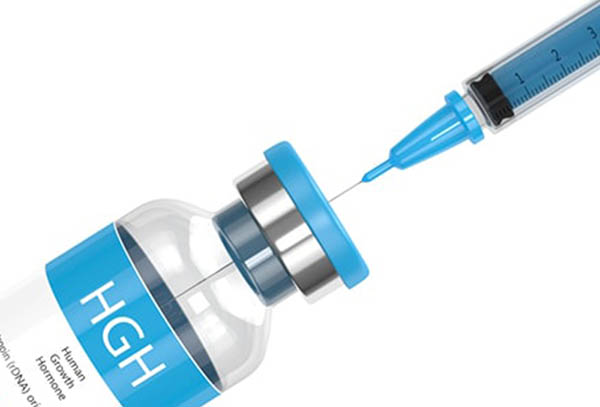
The hormone behind this process is human growth hormone (HGH), released by the pituitary gland. Sounds powerful—and it is—but only when the body is still in a growth phase.
Real-world anchors
- The National Institutes of Health (NIH) confirms growth plate closure ends height increase
- The American Academy of Pediatrics (AAP) tracks growth using standardized milestones
- U.S. doctors rely on CDC growth charts during pediatric visits
You’ve probably seen those charts during school checkups or doctor visits—percentiles, curves, all that. They’re not predictions; they’re tracking tools. Big difference.
And here’s where many people get misled:
Once growth plates close, adding nutrients or hormones doesn’t restart the process. It’s not like flipping a switch back on.
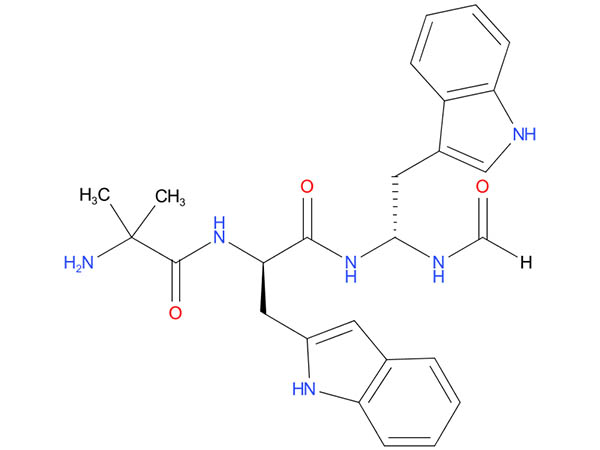
2. What “Growing Taller Medicine” Really Means
The phrase sounds clinical, but in practice, it covers three very different categories:
Main Categories
- Over-the-counter supplements
- Prescription hormone therapy
- Experimental or surgical procedures
Most products marketed online fall into the first group.
What’s inside typical supplements?
- Calcium
- Vitamin D
- Zinc
- Amino acids
- Herbal blends
Price range? Usually $40–$120 per bottle in the U.S.
Now, here’s the catch—these ingredients support general health. They don’t trigger bone lengthening after growth ends.
That distinction gets blurred in marketing.
You’ll see phrases like:
- “Supports growth potential”
- “Optimizes height hormones”
- “Clinically inspired formula”
Sounds convincing. But none of that equals “makes you taller.”
3. Growth Hormone Therapy: The Medical Reality
This is where things get more serious.
Prescription human growth hormone (HGH) is real medicine—but it’s tightly regulated in the U.S. by the Food and Drug Administration (FDA).
Approved Uses
- Growth hormone deficiency
- Turner syndrome
- Chronic kidney disease-related growth failure
Key Facts
- Requires medical diagnosis and supervision
- Costs $10,000–$40,000+ per year
- Delivered through injections over months or years
- Does not increase height in healthy adults
Side effects aren’t trivial either:
- Joint pain
- Fluid retention
- Insulin resistance
So despite how it’s portrayed online, HGH isn’t a “height hack.” It’s a treatment for specific conditions.
There’s a pattern here—something medical gets simplified into a shortcut. And that’s usually where expectations start drifting away from reality.
4. Do Height Growth Supplements Work?
Short answer:
There is no strong scientific evidence that over-the-counter supplements increase height in healthy individuals.
That’s not an opinion—it’s a regulatory gap.
Why supplements get away with bold claims
In the U.S.:
- Supplements are not required to prove effectiveness before sale
- The FDA regulates safety, not marketing claims upfront
- The Federal Trade Commission (FTC) steps in only after misleading ads surface
Common marketing tactics
- Before-and-after photos
- Influencer testimonials
- “Doctor recommended” labels (often vague)
- Holiday discounts like Black Friday deals
None of these equal controlled clinical trials.
You might notice something else too—reviews often mention “feeling stronger” or “better sleep,” not actual height change. That detail tends to get buried.
5. Can You Grow Taller After 18?
This question comes up constantly, and the answer stays consistent:
In most cases, no—because growth plates have already closed after puberty.
Typical closure timeline:
- Girls: 16–18 years
- Boys: 18–21 years
There are exceptions, but they’re rare.
Exceptions
- Endocrine disorders (medical conditions affecting hormones)
- Limb lengthening surgery
That surgery deserves context.
Limb Lengthening Surgery
- Cost: $75,000–$150,000 USD
- Duration: several months of recovery
- Method: bones are surgically cut and slowly extended
- Risks: infection, nerve damage, long-term pain
It’s not cosmetic in the casual sense. It’s invasive, slow, and physically demanding.
Yet online, it sometimes gets framed as “an option,” like choosing between gym routines. That framing misses the reality entirely.
6. Natural Ways to Maximize Growth (For Kids & Teens)
If growth plates are still open, lifestyle starts to matter more than people expect.
Not in a magical way—but in a “you either support the process or quietly limit it” kind of way.
Key Growth Factors
- Sleep: 8–10 hours for teenagers
- Diet: protein-rich meals (eggs, fish, legumes)
- Micronutrients: calcium + vitamin D
- Exercise: sports, stretching, resistance training
- Avoidance: smoking, alcohol
The Centers for Disease Control and Prevention (CDC) links these habits directly to adolescent development outcomes.
U.S.-specific examples
- School sports programs (basketball, swimming, track)
- Pediatric wellness visits
- Regulated school lunch nutrition standards
Here’s what tends to happen in real life:
When sleep drops (late-night scrolling, gaming), growth signals weaken. Not instantly—but over months, it adds up.
And no supplement fixes that.
7. The Psychology of Height in America
Height bias exists. That’s not speculation.
Studies show taller men, on average, earn slightly higher salaries in the U.S. It’s not a massive gap, but it’s consistent enough to influence perception.
Then social media amplifies it.
Platforms influencing perception
- TikTok height comparisons
- Instagram “glow-up” content
- YouTube transformation videos
These create a feedback loop—more insecurity → more demand → more products.
But here’s a detail that often gets overlooked:
- Posture alone can change perceived height by 1–2 inches visually
- Strength training improves body alignment
- Clothing choices affect proportions
So while actual height may not change, perceived height often does.
That distinction matters more than it seems—especially in social settings.
8. Red Flags Before Buying Any Height Product
Before spending money, a quick filter helps cut through most of the noise.
Warning Signs
- Claims like “Grow 3 inches in 30 days”
- No FDA approval for height increase
- No peer-reviewed studies
- Heavy reliance on influencer marketing
- Limited-time urgency (“Only today!” deals)
If the promise sounds extreme, it usually is.
And if the product leans more on emotion than data—that’s another signal.
9. Comparison Table: What Actually Works vs What Doesn’t
| Code | Category | Works for Height Increase | Target Group | Cost Range (USD) | Key Limitation |
|---|---|---|---|---|---|
| HT-01 | OTC Supplements | No | General consumers | $40–$120/month | Cannot affect closed growth plates |
| HT-02 | Growth Hormone Therapy | Yes (conditional) | Diagnosed medical patients | $10,000–$40,000/year | Ineffective for healthy adults |
| HT-03 | Limb Lengthening Surgery | Yes (mechanical increase) | Adults with specific goals | $75,000–$150,000 | High risk, long recovery |
| HT-04 | Lifestyle Optimization | Yes (during growth years) | Children & teenagers | Low–moderate | Limited to genetic potential |
Commentary on Differences
- HT-01 vs HT-02: Supplements support nutrition; HGH alters biology—but only under medical conditions.
- HT-02 vs HT-03: Hormones rely on natural growth; surgery bypasses biology entirely.
- HT-04 vs all others: Lifestyle works quietly over years, not weeks—which is exactly why it gets underestimated.
You’ll notice the pattern—anything fast tends to fail, and anything effective takes time or medical necessity.
10. Final Answer: Truth or Myth?
After digging through the science, the marketing, and how this actually plays out in real life:
Growing taller medicine is largely a myth for healthy adults in the United States.
Height stops changing once growth plates close. No pill, powder, or injection reverses that.
For children and teenagers, the focus shifts—not toward shortcuts, but toward consistency:
- sleep
- nutrition
- physical activity
- medical monitoring
And if height starts affecting confidence or daily life, a licensed healthcare provider offers far more clarity than any online product page.
Because most of the time, the real issue isn’t biology—it’s how expectations were shaped in the first place… and how long it takes to realize the body isn’t as flexible as marketing suggests.

Jay Lauer is a health researcher with 15+ years specializing in bone development and growth nutrition. He holds a B.S. in Kinesiology and is a certified health coach (ACE). As lead author at HowToGrowTaller.com, Jay has published 300+ evidence-based articles, citing sources from PubMed and NIH. He regularly reviews and updates content to reflect the latest clinical research.