$38.79
You know, I’ve lost count of how many parents, teens—even gym buddies—have asked me: “Do height supplements actually work?” It’s one of those topics that just keeps circling back, especially when products like Grow Power pop up with bold promises and shiny labels. The whole height gain industry has exploded lately, riding on a mix of puberty anxiety, adolescent growth spurts, and, frankly, a lot of marketing buzz.
Description
Spend enough time analyzing growth-related supplements—everything from HGH-linked claims to nutrition’s real effect on bone density—and your radar starts going off the moment you see phrases like “natural height gain” or “teen height supplement.”
So the question worth asking: Is Grow Power actually doing something useful, or is it just another pill riding the hype cycle? Here’s a proper breakdown.
What Is Grow Power?
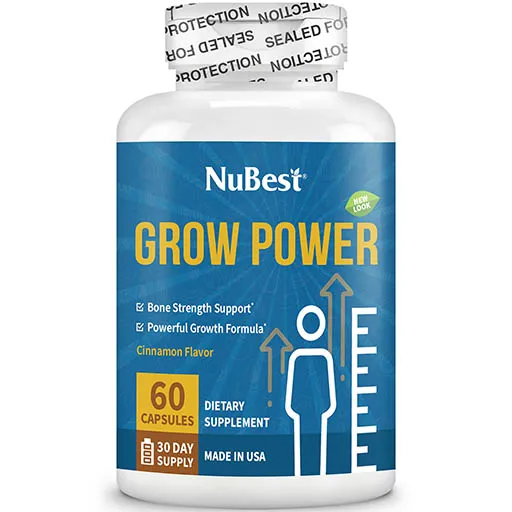
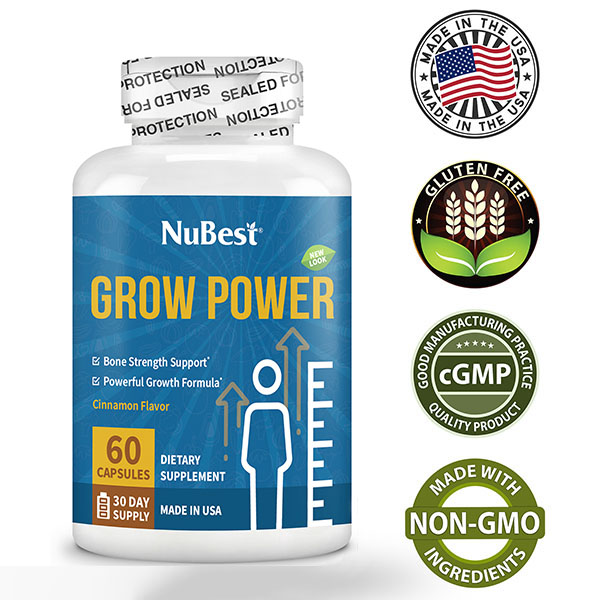
If you’ve gone down the rabbit hole of height gain products before, chances are Grow Power has crossed your path. It’s marketed as a dietary supplement designed to support height growth—primarily targeting teens and young adults who are still in the tail end of their growth windows. After reviewing a fair number of these so-called boosters, here’s what stands out about this particular one.
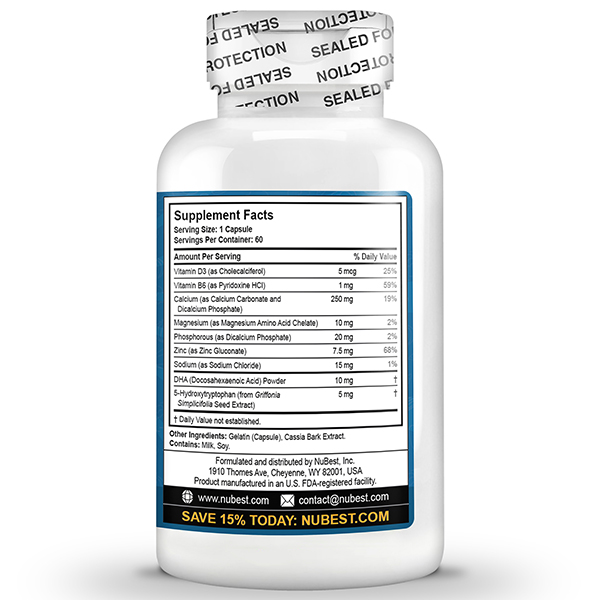
The brand leans heavily into the “natural” angle, promoting a proprietary blend that includes herbal extracts, amino acids, and micronutrients connected to bone health and growth velocity. You’re looking at ingredients like ashwagandha, L-arginine, and a few lesser-known adaptogens. The exact dosage amounts, though? That’s where things get murky—hidden behind the usual “blend” labeling, so you don’t get the full breakdown.
Manufacturer details are vague, which is a pattern that always raises flags, and the supplement label hints at overseas production, possibly under private-label licensing. The packaging is glossy and modern—clearly designed for a teenage audience scrolling through TikTok.
Worth digging into? Let’s look at what it’s actually made of.
- Proprietary blends hide exact dosages, making it hard to assess true potency.
- Overseas production signals aren’t inherently bad, but they add a layer of uncertainty.
- Teen-targeted marketing doesn’t automatically mean teen-appropriate formulation.

Key Ingredients & Their Scientific Basis
Flip the Grow Power label over and the ingredients list tells you more than the front ever will. And to be fair—there are a few notable inclusions here that show up in legitimate growth stacks.
L-Arginine leads things off. It’s an amino acid that’s been connected to growth hormone secretion, particularly during sleep. It’s not a miracle worker on its own, but in younger users with solid nutrition backing them up, it may support normal recovery and development.
Calcium and vitamin D are present too—basic, but genuinely essential. These two are non-negotiable for building the bone matrix during adolescence. Without them, the adaptogens are mostly decorative.
Ashwagandha rounds things out as an herbal adaptogen, primarily included for stress management and general hormonal support. Both can play an indirect role in healthy development, although ashwagandha is not a direct height-growth trigger.
Here’s the catch, though: the combination only works when dosage is properly calibrated, and that’s exactly the kind of detail that gets buried in proprietary blends.
- L-Arginine: An amino acid involved in nitric oxide production and normal protein metabolism.
- Calcium + Vitamin D: Foundational nutrients for adolescent bone development.
- Ashwagandha: Primarily used for stress support, not as a direct growth stimulant.
- Zinc: Frequently overlooked, but important for normal growth, immune function, and protein synthesis.
How Grow Power Claims to Work
Most people get tripped up here, so it’s worth slowing down.
Grow Power’s core pitch centers on supporting natural height development by encouraging the body’s normal growth-related processes. The brand highlights ingredients such as L-arginine and L-lysine, which are amino acids involved in protein synthesis and tissue development.
The pituitary gland releases human growth hormone in pulses, with significant secretion occurring during deep sleep. However, that doesn’t mean taking an amino acid supplement will automatically produce a meaningful increase in HGH or height. The real effect depends on age, nutritional status, dosage, sleep quality, genetics, and whether the growth plates are still open.
Then there’s the structural support angle. Minerals like zinc and calcium, alongside vitamin D, contribute to osteogenesis—the bone-building process. If growth plates are still open, these nutrients can help support normal bone mineralization and skeletal development.
Not every claim on the label holds up equally well. But the underlying idea of supporting bone health and filling nutritional gaps is less far-fetched than people tend to assume. What varies dramatically is how individual bodies respond to the formula.
Who Should Use Grow Power?
Timing matters here more than most product pages let on.
Grow Power isn’t a universal fix, but for the right age group, it may offer nutritional support. It is most relevant to teenagers who are still growing, particularly those whose diets fall short in calcium, vitamin D, zinc, protein, or other nutrients needed for normal development.
Adults ask about this too. Technically, adults can take it, but once the growth plates close, a dietary supplement cannot restart natural bone-length growth. The age at which growth plates fuse varies by sex and individual development, but it usually happens by the late teens or early adulthood.
Adults with nutritional deficiencies may still benefit from some of the vitamins, minerals, or amino acids in the formula. That is different from gaining additional height.
For children or teens with unusually slow growth, a supplement should not replace a medical evaluation. Growth problems can be linked to genetics, delayed puberty, thyroid conditions, nutrient deficiencies, gastrointestinal disorders, or other health issues.
- Best fit: Teens who are still growing and have identifiable nutritional gaps.
- Possible benefit: Adults seeking general nutritional support, not additional height.
- Limited value: Anyone expecting results without adequate sleep, nutrition, exercise, and medical guidance.
Real Results & Consumer Feedback
Marketing says one thing. Reviews say another. And the reviews on Grow Power are worth reading carefully.
Feedback across online marketplaces, niche forums, and social platforms appears mixed. Some users report changes after six to twelve weeks of consistent use, while others notice little or no difference.
Many positive reports come from teenagers who were already in an active growth phase. That makes it difficult to determine how much growth came from the supplement and how much would have occurred naturally.
One reviewer reported that a 15-year-old gained 1.2 inches over three months. That amount of growth can occur naturally during adolescence, so a single testimonial cannot establish that the product caused it.
A handful of reviewers also mentioned improved sleep quality and energy levels. Those effects could be linked to better nutrition, lifestyle changes, expectations, or individual responses to the ingredients.
The pattern across positive reviews is fairly consistent:
- Users who maintained good sleep, nutrition, and physical activity reported the most noticeable changes.
- Those who treated it as a passive fix tended to report less benefit.
- Younger users in active growth phases appeared more likely to report height changes than older teens or adults.
Safety, Side Effects, and FDA Considerations
When evaluating any height supplement aimed at teens, the first question worth asking is simple: is this actually safe?
Grow Power is not FDA-approved, but that distinction needs context. The FDA does not approve dietary supplements for effectiveness before they reach the market in the same way it approves prescription drugs. Manufacturers are responsible for product safety, accurate labeling, and compliance with applicable regulations.
No widespread reports of severe adverse reactions are commonly associated with Grow Power. However, mild side effects are still possible, including digestive discomfort, headaches, nausea, sleep changes, or reactions to herbal extracts.
Ashwagandha may interact with medications or affect people with thyroid conditions, autoimmune disorders, blood pressure concerns, or certain hormonal conditions. Amino acids can also be unsuitable for some users with kidney, liver, or metabolic disorders.
Teenagers, pregnant or breastfeeding individuals, people taking medication, and anyone with an existing health condition should consult a qualified healthcare professional before using the product.
In practice, supplements like this may fit into a broader wellness plan—but only with proper guidance, an honest assessment of individual health factors, and realistic expectations.
Cost & Value: Is It Worth Buying?
Here’s the honest breakdown.
A single bottle of Grow Power has been listed at roughly $49.95 on the official site, usually representing about a month’s supply. Prices can change, so shoppers should verify the current amount before ordering.
For short-term testing, that price may seem manageable. However, users often assess supplements over several months, which makes the total cost much higher.
Bundle deals may be available for three or six bottles. Depending on the promotion, these can reduce the per-bottle cost. Some packages may also include free shipping or a refund policy, although buyers should read the terms carefully.
What tends to be true across growth supplements:
- A single month rarely provides enough information to judge long-term value.
- Bundle pricing makes more financial sense only if the user has already decided to test the product consistently.
- Sleep, diet, physical activity, and overall health matter far more than the supplement itself.
- The supplement should be treated as an addition to healthy habits, not a substitute for them.
In terms of value versus hype, Grow Power isn’t necessarily the worst option in this category. But it isn’t a standalone solution either.
Final Verdict: Does Grow Power Deliver on Its Promise?
After working through the formula, consumer feedback, and the science behind its ingredients, the answer isn’t a clean yes or no.
What works in its favor:
- The ingredient lineup includes nutrients associated with normal bone health and development.
- Calcium, vitamin D, zinc, and amino acids have legitimate nutritional roles.
- The formula may help fill dietary gaps in some teenagers.
- Users with strong lifestyle habits sometimes report positive changes during active growth phases.
Where it falls short:
- There are no robust clinical trials proving product-specific height-growth claims.
- Proprietary blending makes exact dosage evaluation difficult.
- The product is not FDA-approved for increasing height.
- Several months of use can become expensive.
- Reported results vary widely and cannot be guaranteed.
- Any height change in teenagers may partly or entirely reflect natural growth.
Who it’s actually for: Teens who are still in an active growth phase, have potential nutritional gaps, and already maintain healthy sleep, nutrition, and exercise habits. For that group, Grow Power may provide supplemental nutritional support.
For anyone hoping a capsule alone will create a second growth spurt or increase adult height, it probably won’t.
- Related post: Top 11 Ways to Increase Height for a 5-Year-Old Kid
This content is for informational purposes only and is not medical advice. Dietary supplements are not intended to diagnose, treat, cure, or prevent disease. Results vary based on age, genetics, nutrition, sleep, exercise, health status, and growth plate development.
Content missing