


Growing taller is something many people think about, especially during the middle school and teen years. One child may return from summer break several inches taller, while another barely changes at all. Once that difference becomes obvious, the questions usually begin: are there pills, powders, or supplements that can make height growth happen faster?
The truth is less dramatic than most marketing makes it sound. Growth does not respond to urgency. It responds to biology, timing, nutrition, sleep, and consistency.
How Growth Really Works Without the Hype
Before puberty, children usually grow around 2 inches, or about 5 cm, per year. During peak puberty, growth may increase to roughly 4 inches, or about 10 cm, per year. That can look dramatic, but it still follows the body’s natural timeline.
The main structures responsible for height growth are the growth plates, also called epiphyseal plates. These are soft cartilage zones near the ends of long bones. During childhood and adolescence, they allow bones to lengthen. Over time, they harden and close, usually sometime between ages 16 and 21, depending on genetics, sex, and puberty timing.
Once the growth plates close, vertical growth does not just slow down. It stops.
This is where many height-growth claims become misleading. Search engines still see questions like:
- Can you grow 6 inches in 2 weeks?
- Is there a drug to increase height instantly?
- What is the fastest way to grow taller?
None of those questions has the answer most people are hoping for. Height supplements do not force the body to grow. They may support the conditions that allow normal growth to happen while the growth plates are still open.
What Height Growth Pills Actually Do
Height growth pills are better understood as nutritional support, not as a switch that turns on extra height. These supplements usually provide nutrients involved in bone formation, cartilage health, mineral balance, and hormone-related processes.
If a child or teen already has strong nutrition, the effect may be subtle. If there is a real deficiency, such as low vitamin D, low calcium, or low zinc, the benefit may become more noticeable over time.
The most important factor is still timing:
- Open growth plates: supplements may support natural growth potential.
- Closed growth plates: supplements cannot create structural height gain.
That difference matters. Many products talk about growth support without clearly explaining that adults with closed growth plates should not expect permanent height gain.
Top 10 Height Growth Pills in the U.S.
Below is a practical look at common height growth supplements in the U.S. market, focusing on what separates the formulas rather than the usual marketing claims.
1. Silver Peaks Height Growth Maximizer

Best for: Bone density and full-spectrum support.
This formula focuses on structural development, including bones, joints, and connective tissue.
Key ingredients:
- Calcium.
- Collagen.
- Zinc.
- Vitamin D.
- Vitamin B1, also known as thiamine.
- Vitamin B2, also known as riboflavin.
- Ashwagandha and motherwort.
What stands out: The collagen is worth noting because many height formulas skip it. Collagen supports cartilage and connective tissue, which are part of healthy skeletal development.
2. NuBest Tall

Best for: Younger children ages 5 and up and early teens.
NuBest Tall combines traditional herbal ingredients with common bone-supporting nutrients.
Key ingredients:
- Calcium.
- Collagen.
- Zinc.
- Vitamin D.
- Herbal blend.
Younger users may respond better because their growth plates are usually still open and active. That does not mean the formula is stronger. It means the body still has a natural growth window available.
3. Doctor Taller
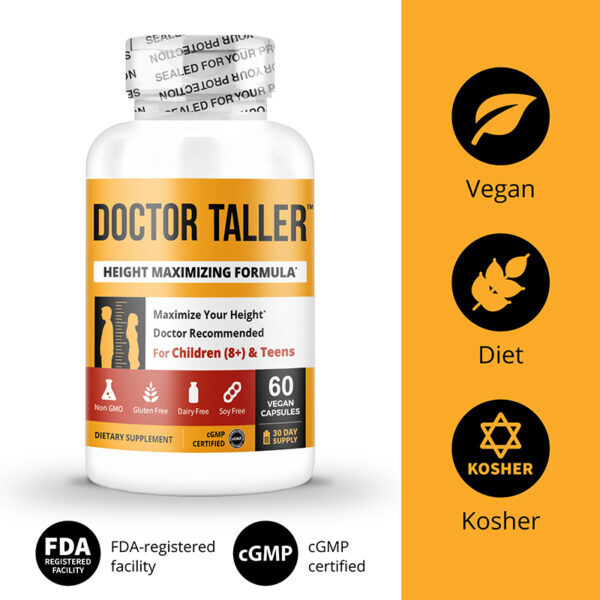
Best for: Long-term use over 6 months or more.
Doctor Taller includes standard height-supporting nutrients along with amino acids and metabolic support ingredients.
Key ingredients:
- Vitamin D3.
- Vitamin K2.
- Vitamin B6.
- Vitamin B1.
- Calcium.
- Zinc.
- Amino acids and herbs.
Vitamin K2 is a useful addition because it helps support proper calcium use in the body, especially in relation to bone health.
4. BoneScience Height Growth Maximizer

Best for: Mineral-focused growth support.
Key ingredients:
- Calcium.
- Zinc.
- Vitamin D3.
- L-Arginine.
- L-Ornithine.
The amino acids in this formula are connected to hormone-related pathways. Their effect is not instant, but they may be more relevant during puberty than after skeletal maturity.
5. Growth Factor Plus

Best for: Hormone-related support.
Key ingredients:
- Colostrum.
- Multiple amino acids.
This product is often described as an HGH alternative. In practice, results depend heavily on age, sleep quality, puberty stage, nutrition, and whether the growth plates are still open.
6. Height Fuel
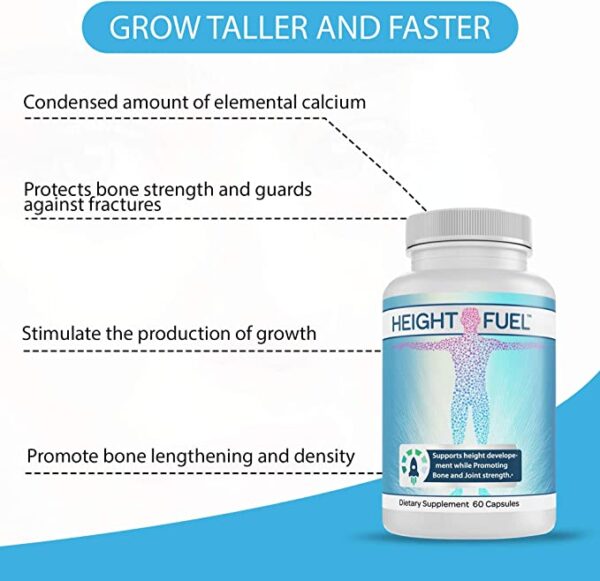
Best for: Joint and cartilage support.
Key ingredients:
- Calcium.
- Vitamin D3.
- Glucosamine.
- Chondroitin.
- Boswellia.
Cartilage is often overlooked in height conversations. While cartilage support does not guarantee extra height, healthy joints and connective tissues are still part of overall skeletal health.
7. PeakRise
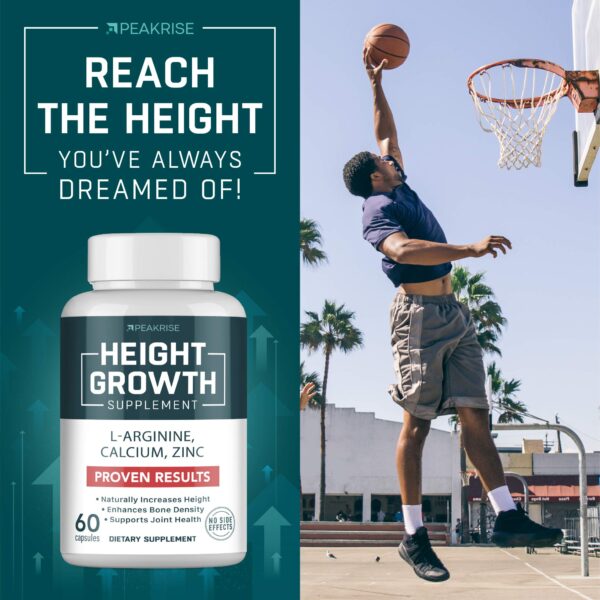
Best for: Plant-based users.
Key ingredients:
- Zinc.
- Calcium.
- Vitamin D3.
- Multivitamins.
PeakRise keeps the formula simple. It does not aggressively target hormones. Instead, it focuses on foundational nutrient support for whatever natural growth potential remains.
8. PureHeight Plus
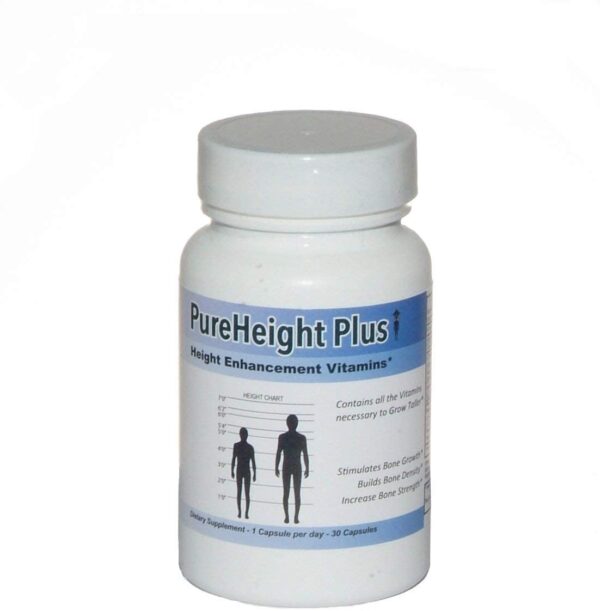
Best for: Sleep-linked growth hormone support.
Key ingredients:
- Calcium.
- Vitamin D3.
- GABA.
- 5-HTP.
This formula stands out because it connects growth support with sleep. Growth hormone release is strongest during deep sleep, so sleep habits matter more than many people realize.
9. Grow Power
Best for: Ages 10 to 20.
Key ingredients:
- Calcium carbonate.
- Vitamin D3.
- Mineral blend.
Grow Power has a simple ingredient profile. It may work best when paired with regular physical activity, especially movement that supports bone strength and overall fitness.
10. Tall Star
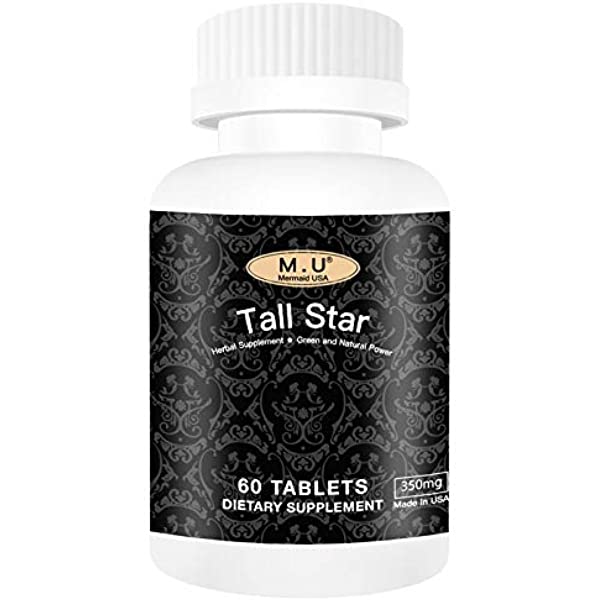
Best for: Older teens ages 15 and up.
Key ingredients:
- Calcium.
- Herbal blend.
Tall Star is more of a late-stage support formula. It should not be viewed as a growth accelerator, especially for users who may already be near the end of their growth window.
Comparison Table: What Actually Separates These Supplements
| Product | Core Focus | Unique Edge | Best Age Range | Limitation |
|---|---|---|---|---|
| Silver Peaks | Bone and collagen support | Full structural support | Teens to adults | Visible results may be slow |
| NuBest Tall | Growth support nutrients | Child-focused formulation | 5 to 16 | Less impact after puberty |
| Doctor Taller | Long-term growth support | Includes K2 and amino acids | Teens | Requires consistency for 6 months or more |
| BoneScience | Mineral support | Amino acid combination | Teens to adults | Limited herbal support |
| Growth Factor Plus | Hormone-related support | Colostrum-based formula | Teens | Results vary widely |
| Height Fuel | Joint and cartilage support | Glucosamine and chondroitin | Teens | Not hormone-focused |
| PeakRise | Plant-based nutrient support | Clean, simple formula | All ages | Basic formulation |
| PureHeight Plus | Sleep and hormone support | GABA and 5-HTP | Teens | Works best with strong sleep habits |
| Grow Power | Basic growth support | Pairs well with exercise | 10 to 20 | Simple ingredient profile |
| Tall Star | Late-stage support | Herbal blend | 15 and up | Limited growth window |
What These Supplements Usually Have in Common
Most height growth supplements fall into three broad categories:
- Bone builders: formulas focused on calcium, vitamin D, minerals, and bone density.
- Hormone supporters: formulas using amino acids, colostrum, or botanical blends.
- Recovery enhancers: formulas focused on sleep, cartilage, joints, or physical recovery.
Many people want one supplement to cover everything. In reality, results depend more on growth stage, nutrition, sleep, and consistency than on any single product category.
What Is the Most Effective Height Enhancer?
There is no universal best height enhancer. Effectiveness depends on age, growth plate status, puberty timing, diet quality, sleep, and whether any nutrient deficiencies exist.
Two people can take the same supplement and get very different results. One may gain height over a year because they are still in an active growth phase. Another may see no height change because their growth plates have already closed.
The supplement is not always the main variable. Biology and timing usually matter more.
What Shapes Results Most
- Age: Younger bodies usually have more growth potential remaining.
- Sleep: Growth hormone release peaks during deep sleep cycles.
- Nutrition: Deficiencies can limit normal growth.
- Activity level: Regular movement supports bone strength and overall health.
- Consistency: Growth support requires months of steady habits, not a few weeks.
What These Supplements Will Not Do
Height supplements have limits. They will not:
- Add inches after growth plates have closed.
- Replace medical treatment for real growth disorders.
- Produce visible height changes within a few weeks.
- Override genetics.
- Work well without adequate sleep and nutrition.
This is where many people become frustrated. Growth is slow, and it does not follow the timeline promised by aggressive marketing.
Important Considerations Before Buying
Before choosing a height growth supplement, it helps to look at a few practical factors.
1. Check Growth Plate Status
An X-ray can show whether the growth plates are still open. Without that information, it is hard to know whether structural height growth is still possible.
2. Audit Your Diet First
If your daily calcium intake is already around 1,000–1,300 mg, adding more calcium may not make a major difference. It is better to look at the full diet, including protein, vitamin D, zinc, iron, and overall calories.
3. Read Claims Carefully
Products promising dramatic results, such as several inches in a few weeks, should be viewed with caution. Real growth does not happen that quickly.
4. Consider Manufacturing Standards
Products made under reliable manufacturing standards may offer better quality control and clearer ingredient labeling. This can reduce the risk of contamination or inaccurate dosing.
Final Thoughts
Height growth sits between what you can influence and what you cannot. Supplements may support growth while the body still has the capacity to grow. They cannot create height after growth plates have closed.
The habits that matter most are simple but not always easy:
- Consistent sleep, especially 8–10 hours during puberty.
- Balanced daily nutrition.
- Regular physical activity.
- Enough protein, calcium, vitamin D, zinc, and overall calories.
- Patience over months, not days.
Supplements can fit inside that routine, but they should not replace it.
If the growth plates have already closed, the focus usually shifts away from gaining height and toward posture, strength, confidence, and how well you carry yourself. That may not sound as exciting as a growth pill, but over time, it often matters more.

Jay Lauer is a health researcher with 15+ years specializing in bone development and growth nutrition. He holds a B.S. in Kinesiology and is a certified health coach (ACE). As lead author at HowToGrowTaller.com, Jay has published 300+ evidence-based articles, citing sources from PubMed and NIH. He regularly reviews and updates content to reflect the latest clinical research.